 ↗
The quiet presence of a peony
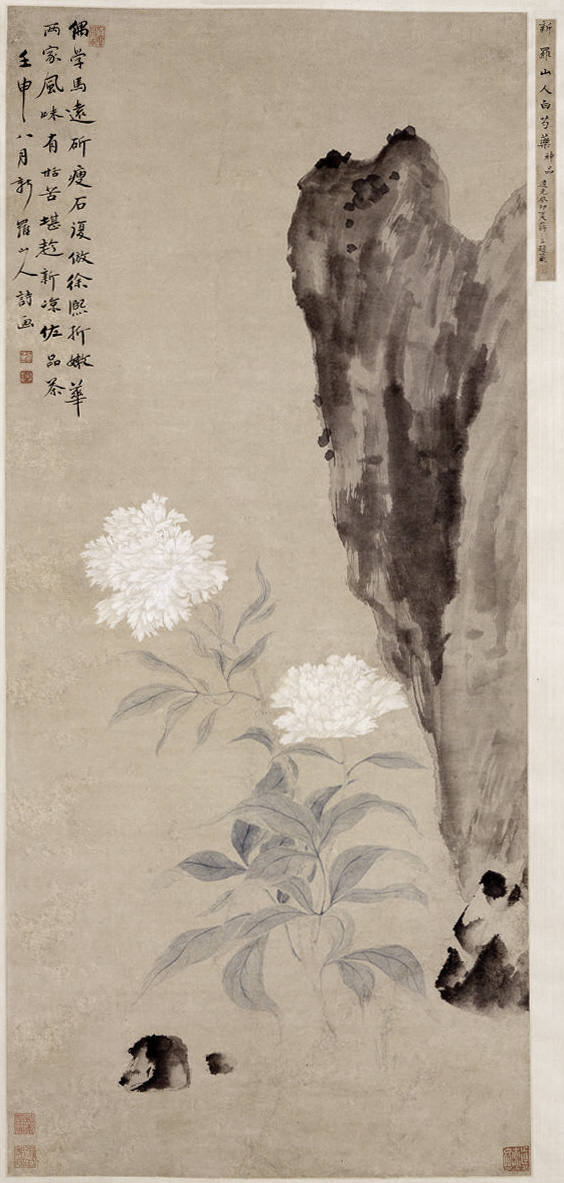
In Hua Yan’s White Peony and Rocks, a pale flower and dark garden rocks invite two different kinds of attention.
 ArtPeonyChinese Art, Past and Present
Slow down. Look closer. Discover the stories, ideas and people behind Chinese art.
Read the storyARTPEONY JOURNAL 6 STORIESQian Xuan, Wang Xizhi Watching Geese (detail), c. 1295. The Metropolitan Museum of Art ↗
Three ways to begin: follow a landscape, look closely at a line, and meet the artist behind the work.
↗In Hua Yan’s White Peony and Rocks, a pale flower and dark garden rocks invite two different kinds of attention.
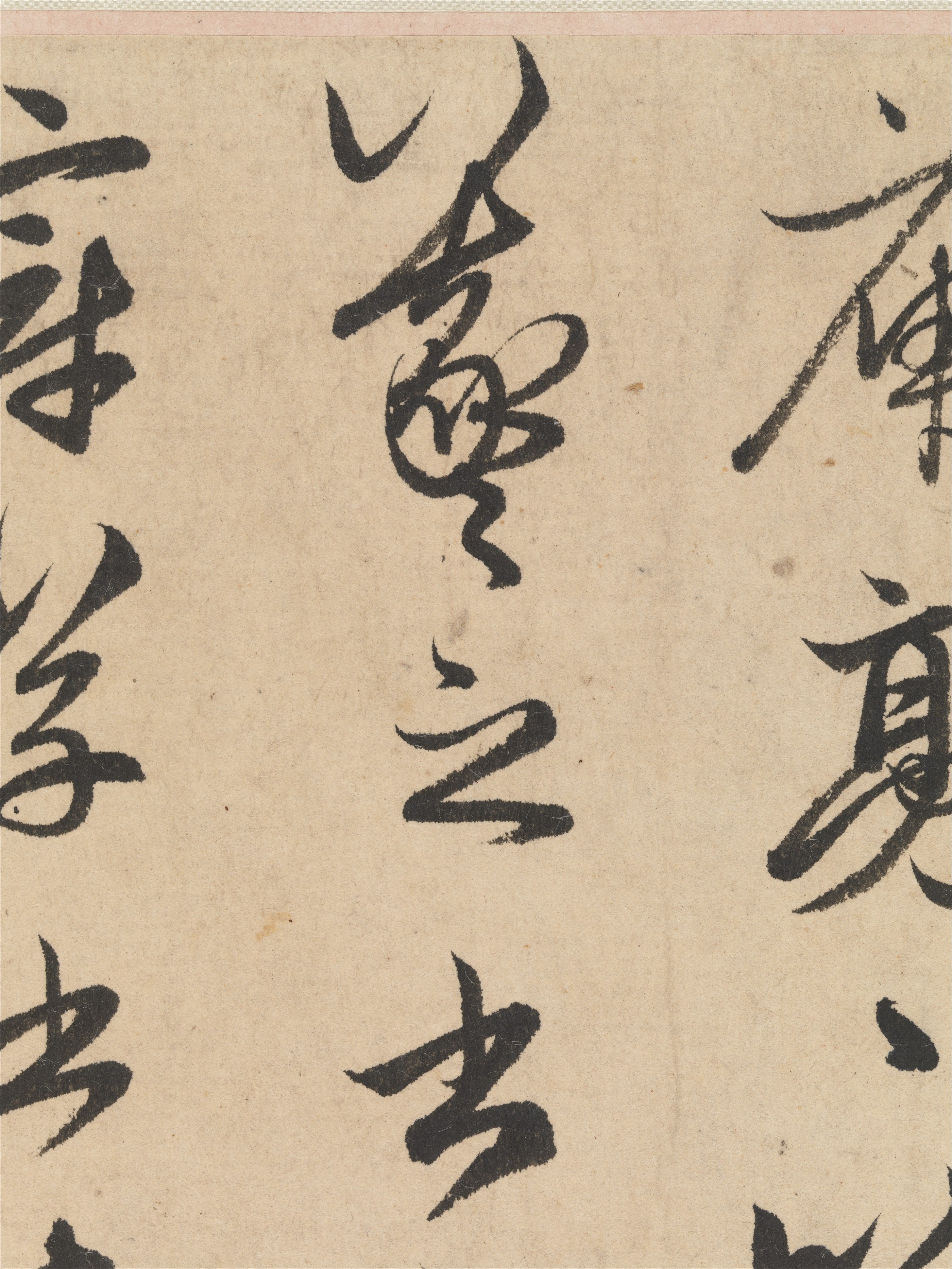 ↗
Zhao Mengfu’s scroll brings stories about Wang Xizhi into a rhythm of strokes, characters and open space.
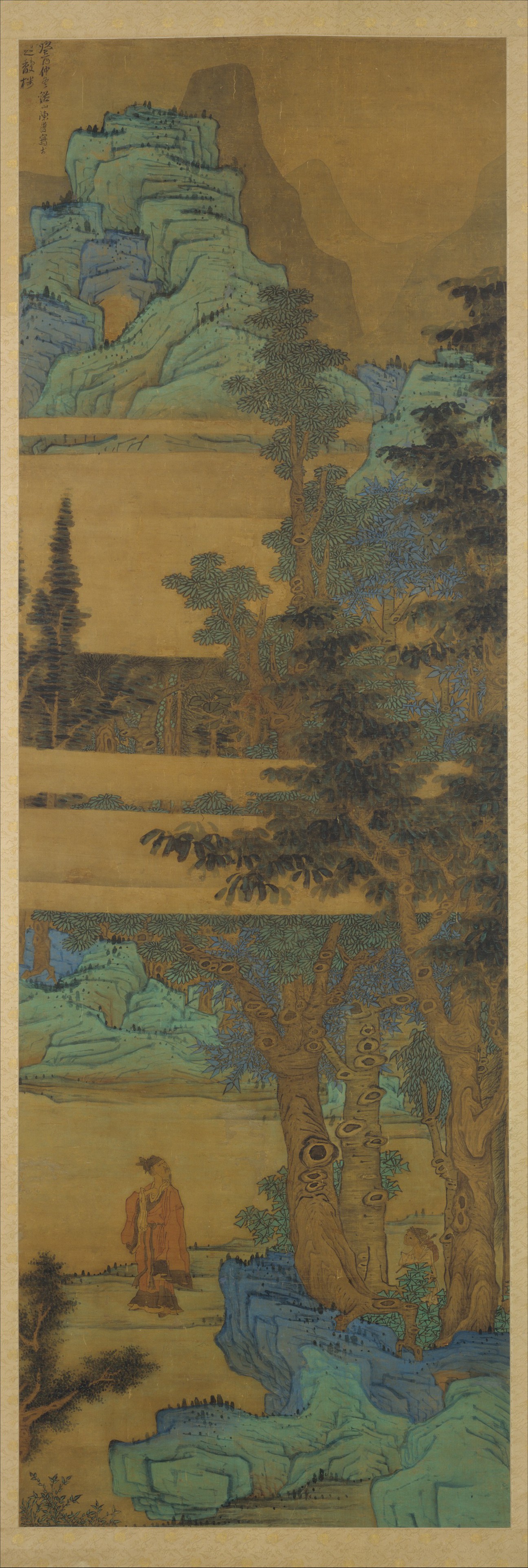 ↗
Chen Hongshou makes the distance between a person and a mountain feel larger than the space on the silk.
Follow the movement of a line, the pause between strokes, the meeting of ink and paper. An invitation to look at calligraphy anew.
Read the storyA subject, a gesture, a new perspective. Find your own way in.
Zhao Zhiqian turns the curved field of a fan into an encounter between color, outline and writing.
Zhao Mengfu’s scroll brings stories about Wang Xizhi into a rhythm of strokes, characters and open space.
In Wang Hui’s landscape of 1662, the spaces between the mountains do as much work as the mountains themselves.
In Qian Xuan’s landscape, a calligrapher watching geese becomes a way to explore the relationship between nature and art.